

OUR MISSION
At Maybelline New York, our mission is to give everyone the self-confidence to express their beauty, to play, to make change.
OUR MISSION
OUR PROGRAM
Our sustainability program, Conscious Together, reflects our belief that our products should be as conscious as they are inclusive.
OUR PROGRAM

OUR PLAN
We’ve set goals in four key areas – Formulas, Production, Packaging, and Circularity – which, together, help us innovate for a more sustainable future.
OUR PLAN
OUR PROGRESS AND IMPACT REPORT
Our 2022 brand impact report is also available here
CHECK OUT OUR 2024 IMPACT REPORTPILLARS

What Do We Mean By Natural Origin Ingredients?
We consider an ingredient to be naturally derived (or natural origin) if it is unchanged from its natural state or has natural sources and has undergone processing, yet still retains greater than 50% of its molecular structure from natural plant or mineral sources. Naturally derived (or natural origin) ingredients start with natural materials, but are then changed from their natural state; this means that naturally derived (or natural origin) ingredients can include synthetic ingredients that are made from materials found in nature.
An example is when we take a natural material, like jojoba oil, and process it to derive hydrogenated oil to ensure the stability of the ingredient and modify its texture. Because 50% of the molecular structure of the hydrogenated jojoba oil comes from plant or mineral sources, hydrogenated jojoba oil, although chemically processed, is a naturally-derived (or natural origin) ingredient. We then total up the percentage by weight of each ingredient to figure out the percentage that is naturally-derived (or natural origin), including water. For example, if 60% of a formula is water, and 36% of the formula are naturally-derived ingredients, we label it as 96% naturally-derived (or natural origin). The remaining ingredients constitute the other 4% of the formula, and are there to ensure its sensoriality, efficacy and/or preservation.
An example is when we take a natural material, like jojoba oil, and process it to derive hydrogenated oil to ensure the stability of the ingredient and modify its texture. Because 50% of the molecular structure of the hydrogenated jojoba oil comes from plant or mineral sources, hydrogenated jojoba oil, although chemically processed, is a naturally-derived (or natural origin) ingredient. We then total up the percentage by weight of each ingredient to figure out the percentage that is naturally-derived (or natural origin), including water. For example, if 60% of a formula is water, and 36% of the formula are naturally-derived ingredients, we label it as 96% naturally-derived (or natural origin). The remaining ingredients constitute the other 4% of the formula, and are there to ensure its sensoriality, efficacy and/or preservation.
WORKING TOWARD SKY HIGH IMPACT
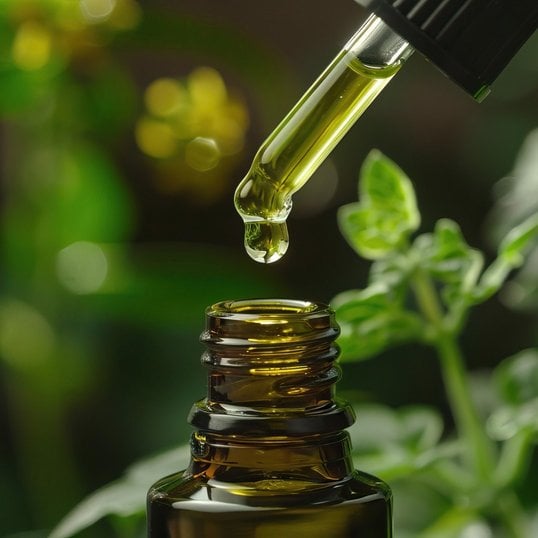
At Maybelline New York, we’re upping our recycling game — from recycled packaging to product takeback programs to first-of-its-kind cross-industry collaborations.WORKING TOWARD MORE SUSTAINABLE PACKAGING
One way we’re reducing the environmental footprint of our packaging is by using more post-consumer recycled plastic, which has a lower carbon impact than virgin plastic. In 2024, we increased our use of post-consumer recycled plastic, so that it makes up 9.2% of the total plastic we use in our packaging (up from 3.5% in 2022). Ultimately, our goal is for all plastic packaging to be made from 100% post-consumer recycled plastic by 2030.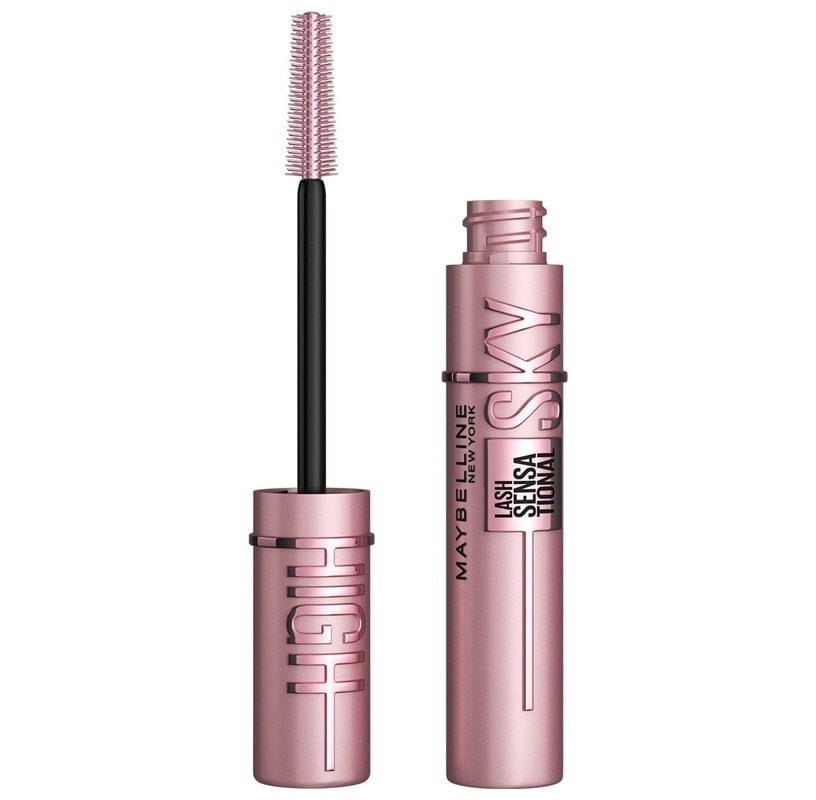
BOTTLES MADE FROM 100% POST-CONSUMER RECYCLED PLASTIC (EXCLUDING WIPER)
Lash Sensational Sky High® Waterproof Mascara (U.S.)
BOTTLES MADE FROM 100% POST-CONSUMER RECYCLED PLASTIC (EXCLUDING WIPER)
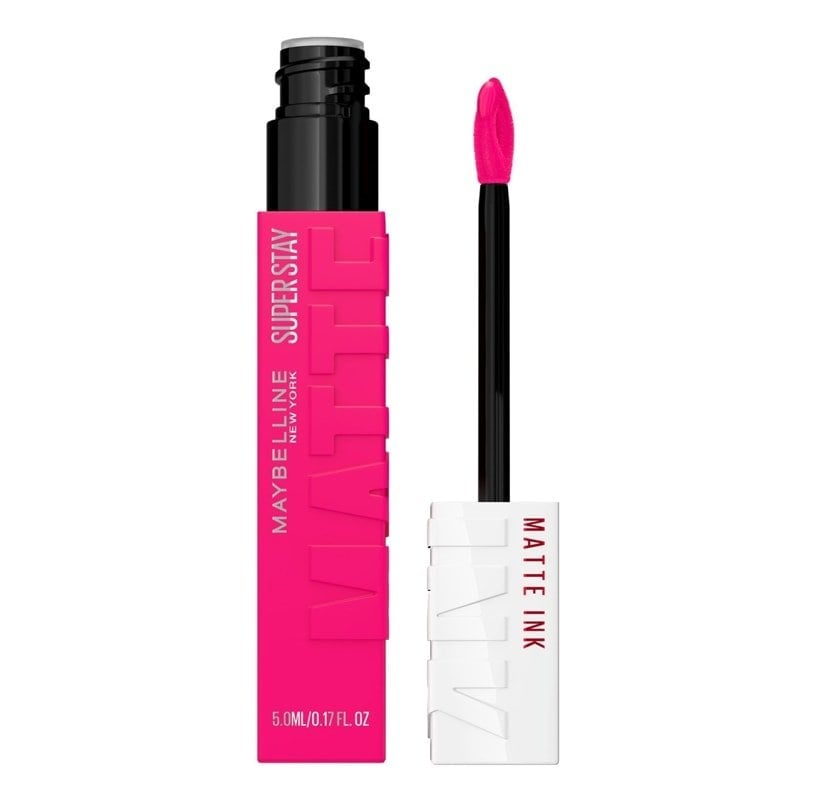
BOTTLES MADE FROM 100% POST-CONSUMER RECYCLED PLASTIC (EXCLUDING WIPER)
Super Stay Matte Ink® Liquid Lipstick (North Asia)
BOTTLES MADE FROM 100% POST-CONSUMER RECYCLED PLASTIC (EXCLUDING WIPER)
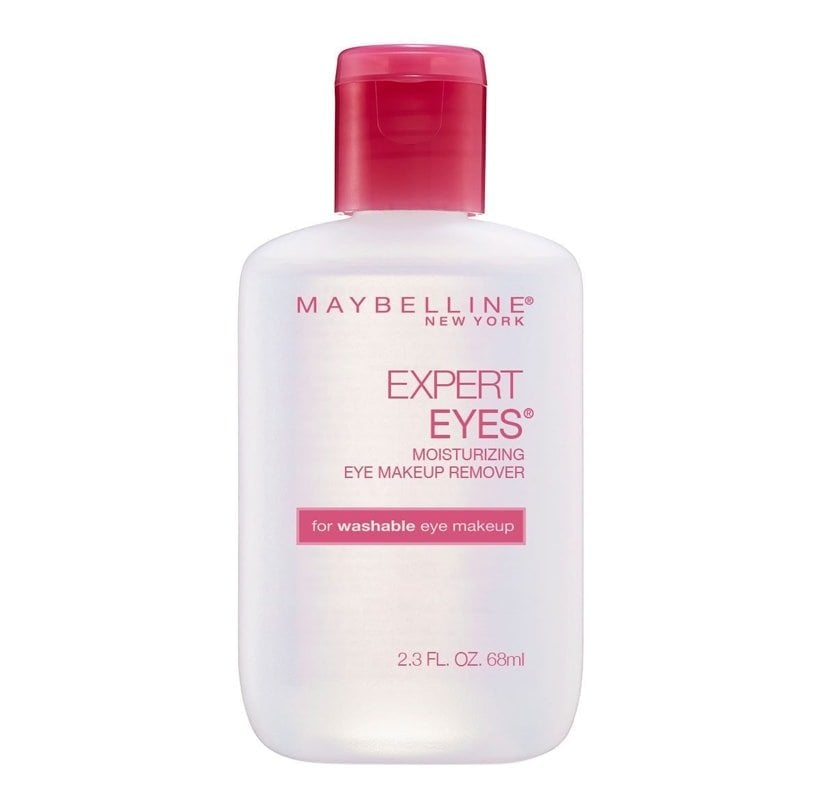
BOTTLES (WITHOUT CAPS) MADE FROM 100% POST-CONSUMER RECYCLED PLASTIC
Makeup Remover (North Asia)
BOTTLES (WITHOUT CAPS) MADE FROM 100% POST-CONSUMER RECYCLED PLASTIC